Hi, this is my first post.
Last week, my university group visited the Design Museum as part of an assessment. We were asked to choose an object related to our pathway. I study English with Creative Writing and Film with Foundation, so I wanted to find something connected to writing and creativity.
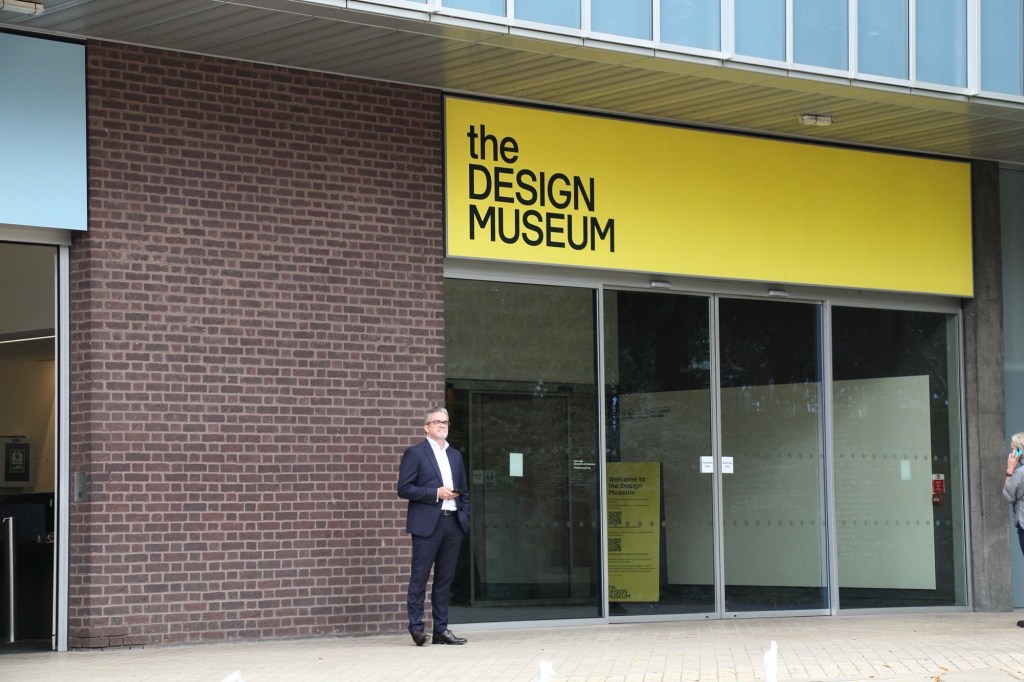
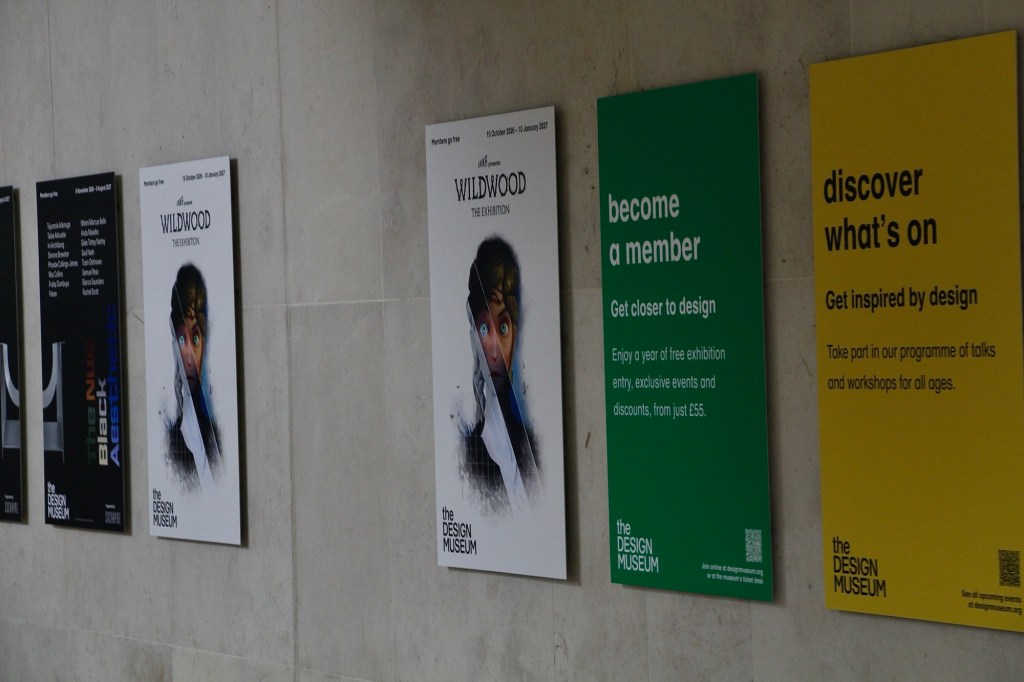
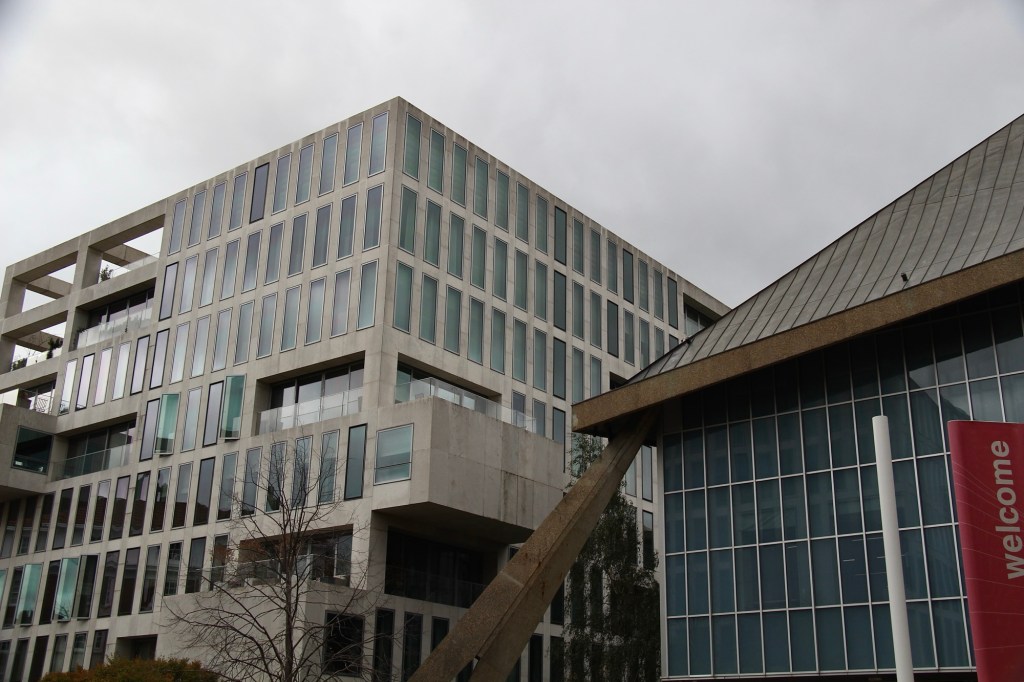
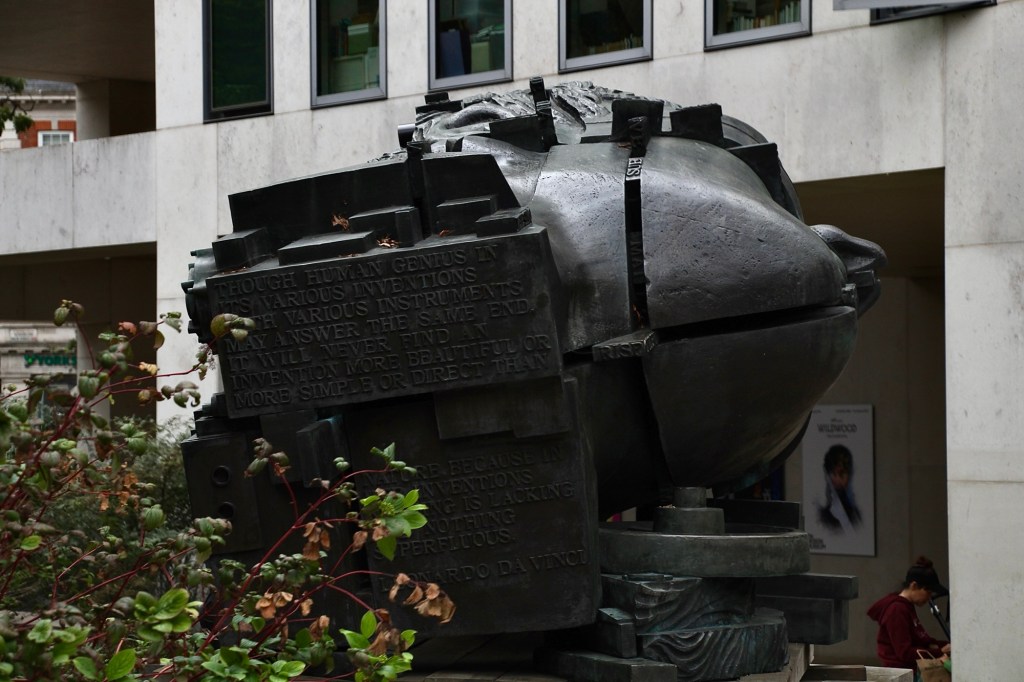
Our teacher encouraged us to explore the museum, take photographs, and think about how we felt about the space. We then spread out to discover different exhibits and aesthetically interesting spots around the museum.
Look below for some of the pictures I took:
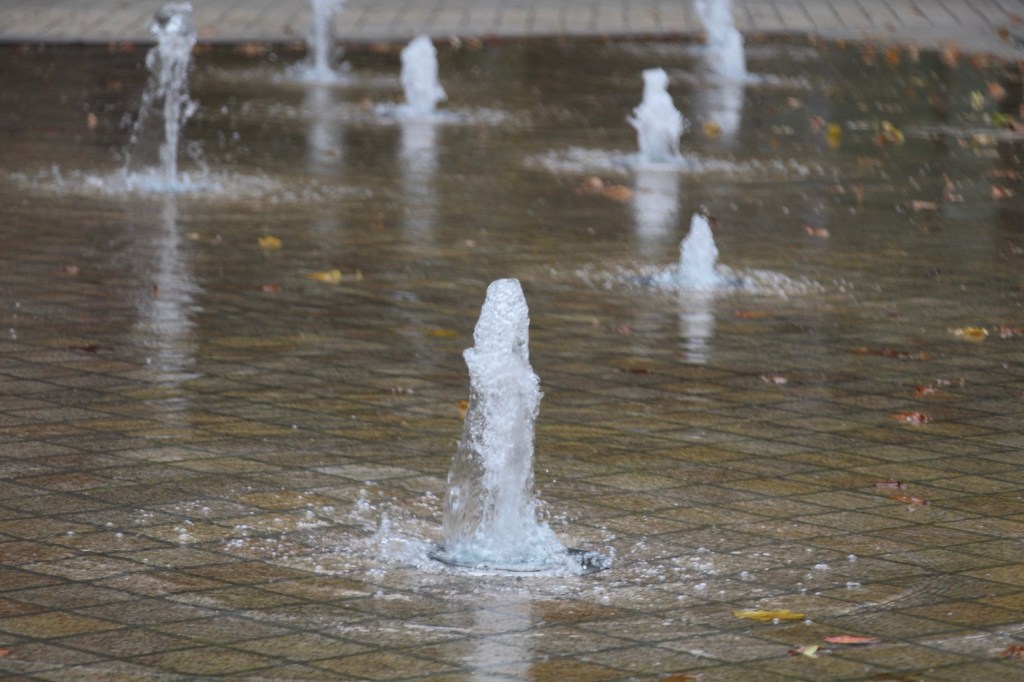
At the museum, what interested me most was a surface for drawing with water. You can draw on it using an ordinary brush dipped only in water. Once the water is applied, the drawing becomes visible; after a while, it dries and disappears, allowing the surface to be used again. The lines you draw with the water will look black, as if they were made using black ink.
From my perspective, this item is still relevant in the 21st century because it allows people to practise writing and drawing repeatedly without using paper or ink.All that is required is water and a brush. What I find particularly interesting is that the writing or drawing gradually disappears as the surface dries. This allows the user to experiment, make mistakes, and try again.
I see a connection between this object and creative writing because it can be used for creative calligraphy practice. Younger learners can use it to practise writing letters and words and develop their drawing skills, while older students can improve their calligraphy and experiment with different writing styles, words, phrases and visual ideas. Since anything written with water disappears as the surface dries, they can make mistakes, try something different and start again. This freedom to experiment makes the object useful not only for practising calligraphy but also for developing a creative approach to writing.
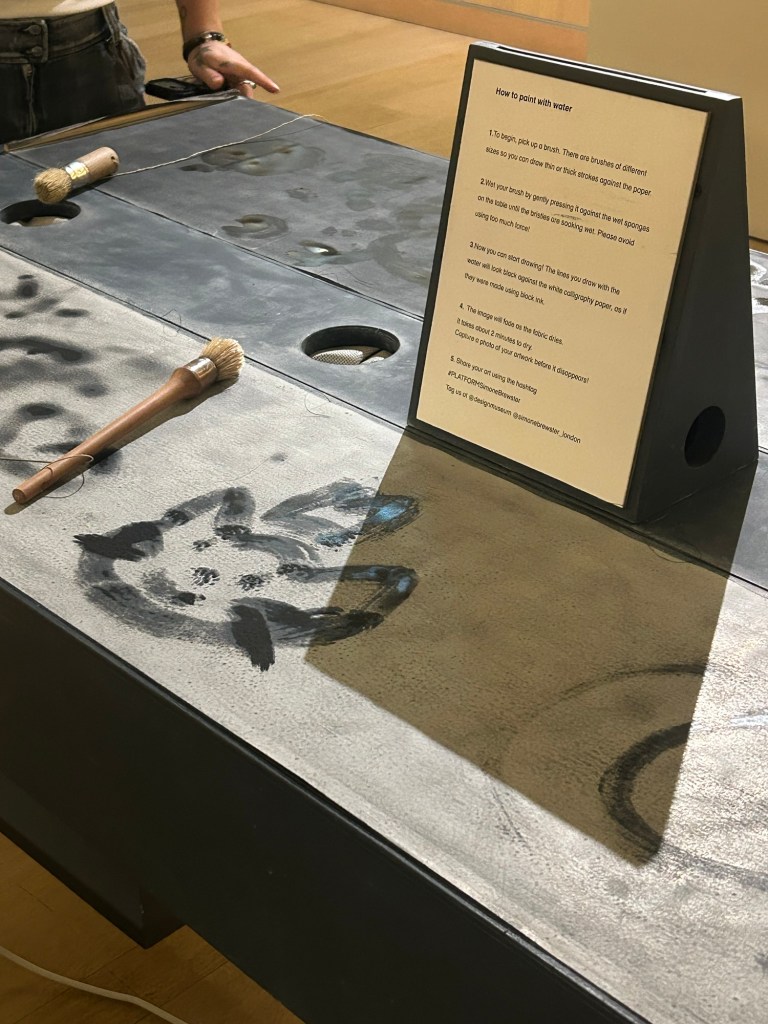
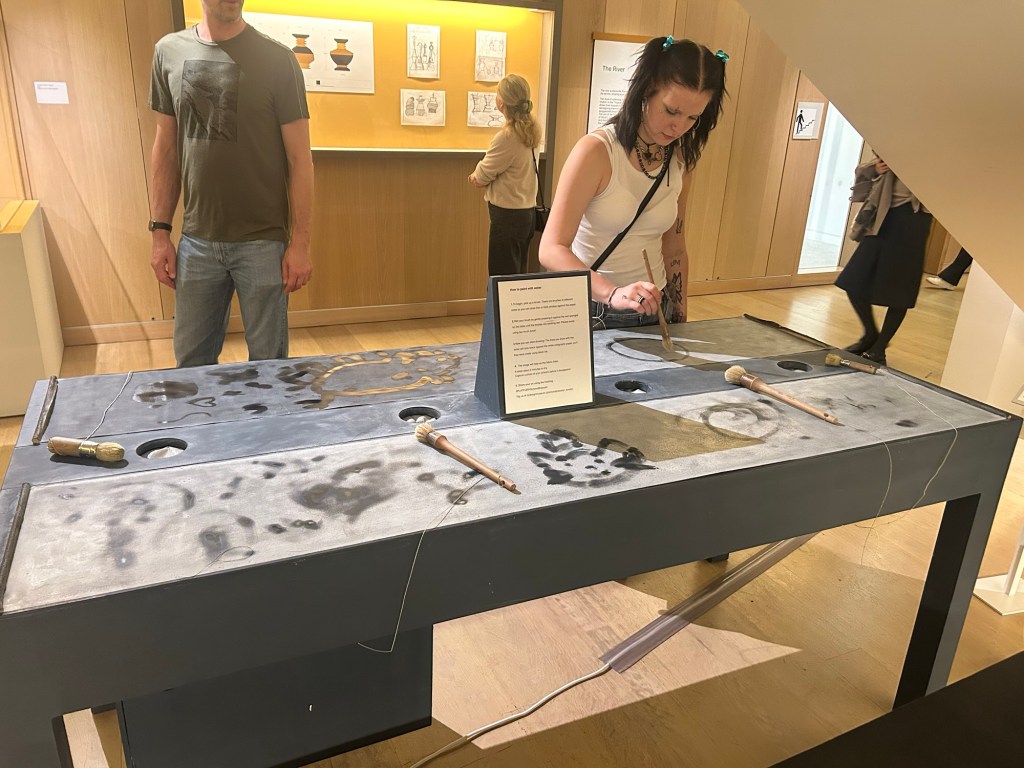
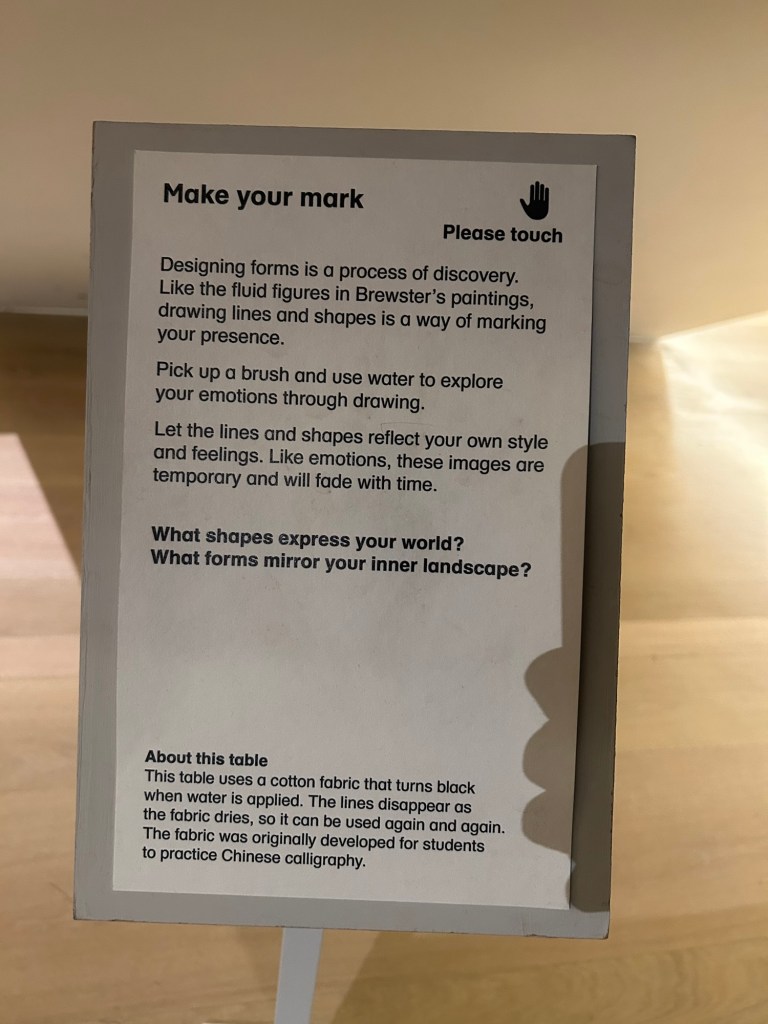
The surface is made from a special cotton fabric that reacts to water. When a wet brush touches the fabric, dark marks appear and become visible. The material was originally developed for students learning Chinese calligraphy.
Calligraphy has developed considerably over time. Originally, it served a practical purpose, with greater importance placed on clear and durable writing. Over time, handwriting also became decorative and artistic, particularly in medieval manuscripts. The arrival of the printing press changed the role of handwritten communication, as printed texts became more widely used. However, calligraphy continued as an artistic practice rather than disappearing. Modern calligraphy now gives people more freedom to experiment with personal styles and creative ideas, including through digital methods. This development helps explain why calligraphy is still relevant today, even though it is no longer an essential form of everyday communication.
The exact date when water writing cloth was first created is unclear. However, water writing became popular in China in the 1990s. It developed as part of the wider tradition of Chinese calligraphy, which has a long cultural history. One form of water writing is known as dishu (地书), or ground calligraphy. I found this particularly interesting because it shows how a traditional art form can continue to be practised in different ways today.
References
https://cursive-generation.com/calligraphy-history
https://chalkacademy.com/water-writing-cloth-chinese-calligraphy/

